


YOUR PATH TO GREATNESS
Every decision has stakeholders you haven’t considered — often the ones most affected.
Truth: Every decision has stakeholders you haven’t considered — often the ones most affected. Your family. Your own integrity.
When Mark Rios sat down to rethink the gray contract, his first list of stakeholders was predictable: the client, his team, the subcontractor, the board.
It took him three days to add the name that changed everything: his own family.
Not because they had a financial stake. Because every night he brought the weight of that contract home. His kids didn’t know about the clause. They just knew Dad was distracted, short-tempered, somewhere else.
We do this constantly. We map the visible stakeholders — the ones in the meeting, on the org chart, in the contract — and forget the invisible ones. The people downstream. The people at home. The person in the mirror.
PDM Step 2 is deceptively simple: identify all stakeholders. All of them. Not just the ones with power. Not just the ones who’ll complain. The ones who will be most affected by your decision — which, surprisingly often, are the ones with the least voice.
The subcontractor who can’t push back. The entry-level employee who won’t speak up. The community that isn’t in the room. Your own integrity, which doesn’t have a seat at the table but keeps notes anyway.
Here’s the uncomfortable truth: the stakeholders you forget to list are usually the ones whose dignity is most at risk. They’re invisible precisely because the system wasn’t designed to see them.
Principled decision-making is, in part, the discipline of seeing what the system misses.
This week: Take a decision you’re currently working on. Write your stakeholder list. Then add three names you almost forgot — the people affected who aren’t in the room.
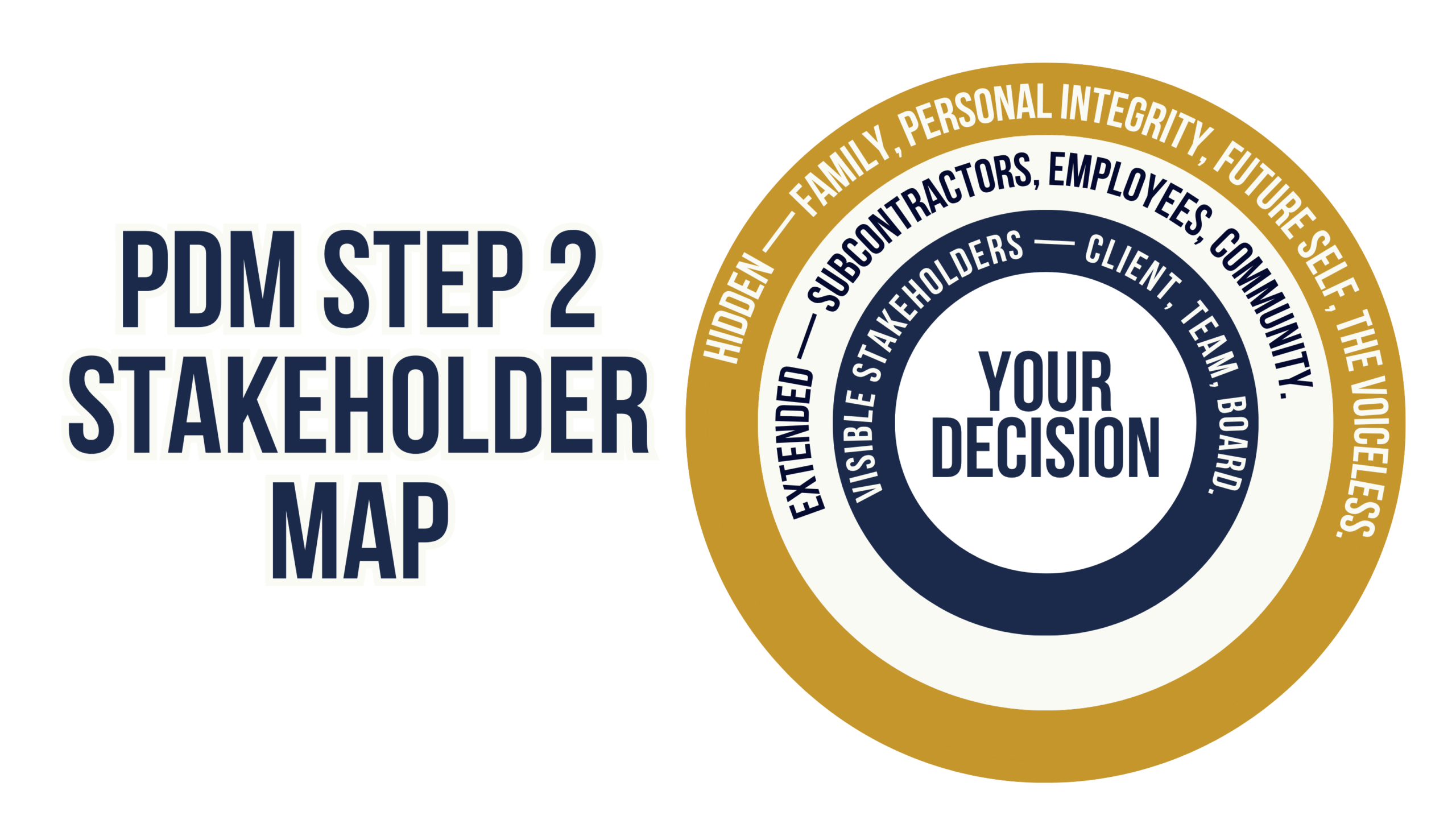
Photo: AI-generated illustration created with OpenAI image generation tools using prompt created By Darren Smith
YOUR PATH TO GREATNESS
○○○○○○○○○○○○○○○○○○○○○○○○○○○○○○○○